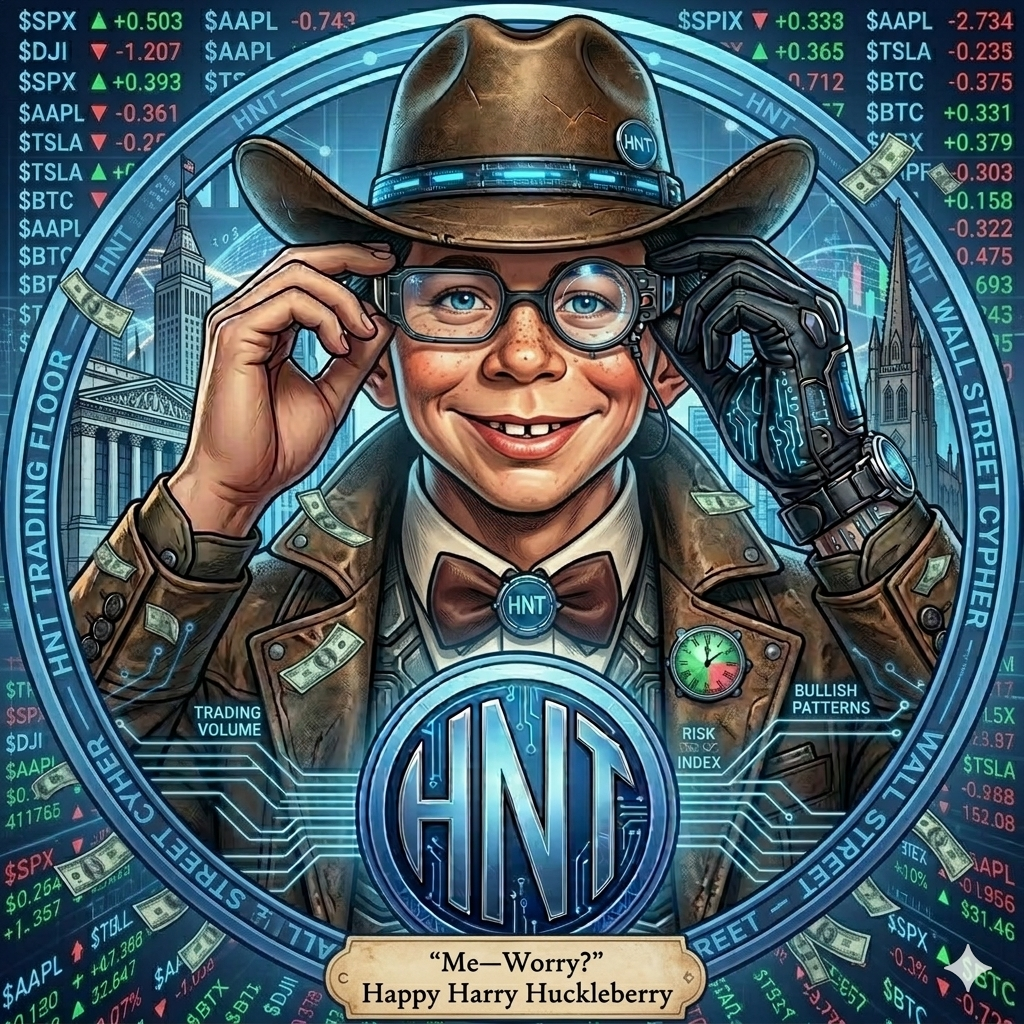

For those on the outside, a “trading group” might conjure images of professionals in crisp shirts analyzing spreadsheets, or perhaps a digital version of the chaotic NYSE floor. For those on the inside, especially in the more liberal, open, and often chaotic world of online trading communities, the reality is a far more complex and human phenomenon.


IIt’s a mistake to categorize these trading groups as purely analytical or solely for entertainment. They exist as volatile, essential, and often hilarious ecosystems that balance technical analysis with community chaos. For instance, the discussion can quickly shift from complex Fibonacci retracements to people joking about losing money or “taking dabs.” The intersection of these topics is fascinating. Recently, while watching a slow trade, the classic Brylcreem slogan, “A little dab’ll do ya,” popped into my head. I decided to challenge an AI to repurpose that vintage advertisement into a modern meme about marijuana dabs. It was an interesting experiment; the AI technically would not ‘discuss’ drug use in text, but it certainly had no problem generating a hilarious visual representation of it.
Here is a detailed breakdown of what traders actually talk about in their groups.
1. The Core: The Serious Business of Trading
Let’s clear this up first: yes, they do talk about trading. A lot. This is the foundation that brings the group together. Even in the wildest, most meme-fueled groups, the ultimate goal is to make money (or at least understand why they are losing it).
This category of conversation includes:
- Due Diligence (DD): This is the deep research. Traders will share extensive analysis on a specific stock, sector, or commodity. This can range from highly technical fundamental analysis (earnings reports, P/E ratios) to macro-level analysis (how a Fed interest rate decision will affect tech stocks).
- Technical Analysis (TA): This is the heart and soul of the charting community. You will see countless screenshots of charts overlaid with moving averages, Bollinger Bands, RSI indicators, and complex pattern recognitions (e.g., “head and shoulders,” “cup and handle”). Traders will debate the validity of these patterns and where potential support or resistance levels lie.
- Trade Ideas and Setups: “I’m looking at $TSLA here for a bounce off this level.” “Shorting $QQQ at 395.” This is the actionable advice. Traders will announce their entry and exit points, often prompting a flurry of debate or (less often) agreement.
- Macro and Market Sentiment: Groups act as a real-time monitor of how the market “feels.” Are people panicking? Is everyone overly greedy? This is a discussion of the larger context: what is Jerome Powell saying? What are the job numbers? This is the narrative that drives the market.
2. The Context: The “Liberal Group” Tangents
This is where the distinction of a “liberal trading group” becomes relevant. In a strictly moderated, professional group, off-topic chat is banned. In a liberal group, off-topic is the point.
These groups provide the necessary social connection that is entirely missing from a solitary activity like trading. When you spend all day analyzing data and battling algorithmic computers, you need human interaction.
This leads to the great tangents:
- The Shared Grind (Complaining): Trading is a grinding, often soul-crushing experience. The emotional toll of a large loss or a missed monster gain is immense. These groups function as essential support networks. Traders vent, they commiserate, they share the collective burden of their crushing mistakes. This is not just noise; it’s vital to maintaining sanity.
- Deep Dives (and Debates): You start talking about the tech sector. That leads to a discussion of AI. That leads to a debate about whether AI is sentient. That leads to a philosophical argument about the nature of consciousness. In a liberal group, the bar for acceptable topics is set delightfully low, allowing for the kind of random, interesting, and heated discussions you’d have at a dinner party. Everything—from deep-dish pizza to the morality of modern finance—is on the table.
- Life Events: Since these groups are communities first, traders often share their personal lives. People ask for relationship advice, talk about their families, share job frustrations, or complain about their pets interfering with their trading desk. It is the “social” in social trading.
3. The Coping Mechanism: Memes, Sarcasm, and Shitposting
If you can’t find the humor in your own financial destruction, you might as well pack your bags. In the world of open-forum trading, humor is not a distraction; it is a critical coping mechanism.
This is the world of:
- Market Memes: This is hyper-niche humor. It requires you to understand complex financial concepts, recent market history, and internet culture simultaneously. Memes about Jerome Powell (“money printer go brrr”), the volatility of crypto, the absurdity of specific penny stocks, and the sheer irrationality of the retail investor are a staple.
- Shitposting: This is the intentional posting of nonsensical, absurd, or deliberately controversial content, usually just to get a reaction. It’s a way to break the tension, establish group identity (you’re “in on the joke”), or just to be plain silly. In a liberal group, this is an art form.
- Dark Sarcasm: The market is cruel. To deal with that, the humor often reflects that cruelty. The darkest jokes often get the biggest laughs. It’s a form of emotional armor.
4. The Final Truth: It’s All a Jumble
The most important thing to know is that these conversations are not neatly siloed. A single trading session will look like this:
- 9:20 AM: “J-Pow speaks in 10 minutes. Who’s got calls?” (Serious TA)
- 9:31 AM: “$SPY just spiked. Inflation is a social construct.” (Macro/Humor)
- 9:35 AM: “I’ve been holding these $TSLA bags so long I might use them to propose.” (Meme)
- 9:36 AM: “[User 2] you absolute degenerate, show us your loss porn.” (Vent/Shitposting)
- 9:38 AM: “On a serious note, did anyone see that DD on $PLTR?” (Serious DD)
- 9:45 AM: “Does anyone know how to get a crayon out of a keyboard?” (Life tangent/Humanity)
So, What Is a Trading Group?
A trading group is not just a collection of financial analytical tools. It is a necessary support structure, a repository of collective knowledge, a digital asylum, and a continuous social hour for a lonely, robotic, high-stakes discipline. The conversations in these groups are a chaotic, human response to trying to make sense of the world’s most complex and irrational system: the human market.
Leave a Reply